Selling in Reno can move fast, but that does not mean you should rush the prep. With Washoe County homes spending a median of 13 days to contract in May 2025 and inventory at 2.4 months, buyers are still moving quickly, yet they are also paying attention to condition, presentation, and paperwork. If you want fewer surprises and a smoother path to closing, the smartest approach is to prepare in the right order. Let’s dive in.
Start With Paperwork First
Before you paint a wall or trim a shrub, gather the documents buyers are most likely to ask for. In Nevada, the residential disclosure form must be completed by you as the seller and served at least 10 days before conveyance. If something changes after you serve it, such as a new defect appearing or an existing issue getting worse, you must disclose that in writing as soon as practical and no later than closing.
That timing matters because paperwork problems can slow down a sale just as much as repair issues. If you have records for past work, warranties, roof replacement, HVAC updates, or plumbing and electrical improvements, put them in one place early. A clean paper trail helps buyers feel more confident about your home.
Gather Permit Records
Washoe County requires permits for many types of work, including projects that alter, repair, enlarge, or change a structure, plus regulated electrical, gas, mechanical, and plumbing work. If you added a room, converted a garage, replaced a roof, or made a major system change, collect those records before listing.
This step can prevent a common escrow headache. Buyers often become cautious when they discover an improvement late in the process that does not have clear documentation.
Prepare HOA Documents Early
If your home is in an HOA or another common-interest community, Nevada law requires the owner to furnish a resale package at the owner’s expense. That means it is wise to get ahead of any missing documents, rule questions, or unresolved compliance issues.
In many newer Reno neighborhoods, exterior presentation and HOA readiness matter just as much as interior updates. A tidy home with organized community paperwork can feel much easier for a buyer to move forward with.
Collect Well and Septic Records
If you own a rural or edge-of-city property, gather records related to your private well or septic system. Washoe County Environmental Health Services regulates residential septic systems and wells, so buyers may look closely at service history, pumping records, and permits.
For these properties, practical maintenance often carries a lot of weight. Clear records can show that the property has been cared for and help reduce avoidable buyer concerns.
Consider a Radon Test
Nevada’s radon program recommends testing all homes, and elevated radon has been found in Nevada homes. A seller test can be especially reasonable if your home has a basement, crawlspace, or direct contact with soil.
This is not about making your home look better. It is about learning useful information early so you can decide how to address it before a buyer brings it up.
Fix What Buyers Notice Most
Not every home needs a major remodel before it hits the market. In Reno’s current market, visible condition and solid maintenance often matter more than expensive, taste-specific upgrades. Buyers may forgive dated finishes more easily than they forgive signs of neglect.
That is why your repair list should focus first on issues that could appear in an inspection report or trigger negotiation later. Think in terms of function, safety, and visible upkeep.
Prioritize High-Impact Repairs
Start with the issues most likely to create buyer objections:
- Active leaks
- Moisture stains
- Roof concerns
- Broken caulk or grout
- Damaged flooring
- Sticky doors or windows
- Malfunctioning fixtures
- Electrical problems
- Plumbing problems
These repairs are often more valuable than cosmetic upgrades because they affect trust. A buyer can live with an older backsplash, but a water stain on the ceiling tends to raise bigger questions.
Decide Fast After an Inspection
A pre-listing inspection can help you uncover problems before the buyer does. Nevada’s disclosure guide makes clear that the seller disclosure is not a warranty and does not replace an inspection, so a pre-listing inspection works best as a risk-management tool.
If the inspection finds a real issue, make a quick decision. Repair it, or disclose it and price the home accordingly. Either option is usually better than being caught off guard in escrow.
Improve Curb Appeal With Purpose
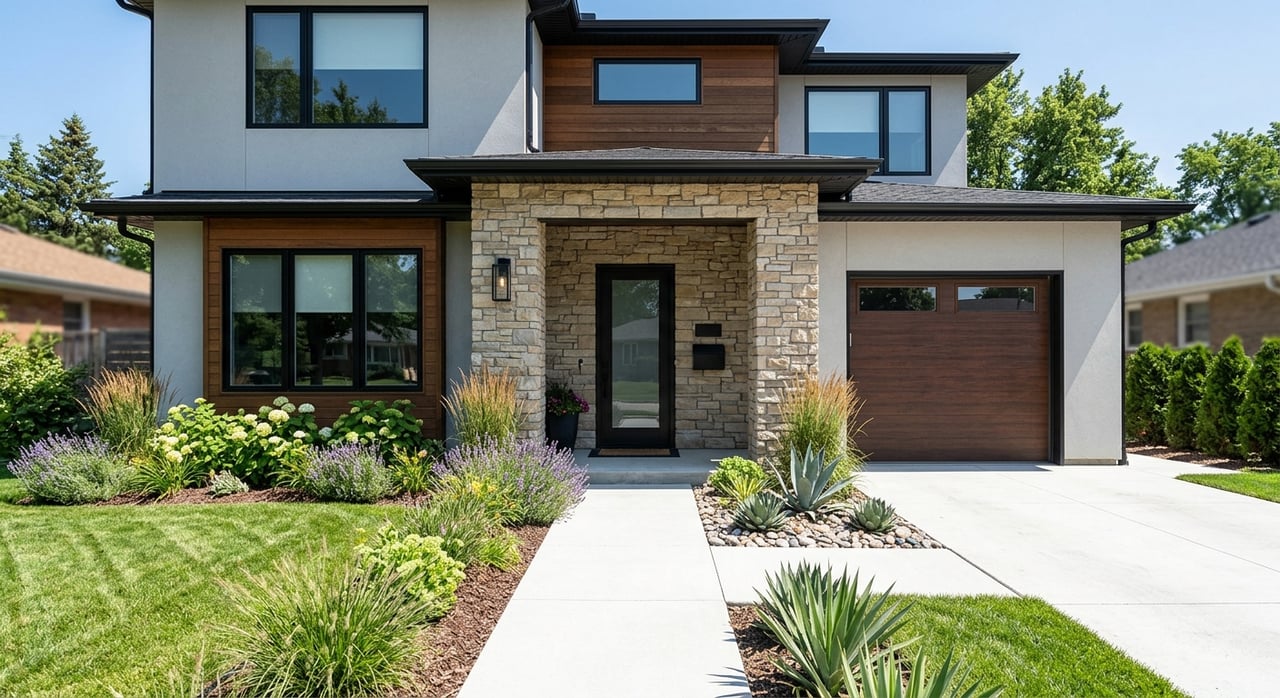
First impressions still matter, especially online. Buyers often form an opinion before they walk through the front door, so your exterior should look clean, intentional, and easy to maintain.
In Reno, curb appeal can also overlap with wildfire readiness. That is especially true in hillside, open-space, and fringe-area locations where exterior upkeep is both a visual and practical concern.
Focus on the Front Approach
If your budget is limited, start where buyers look first:
- Entry walkway
- Front door area
- Visible landscaping
- Drive-up view from the street
- Exterior areas that show up in listing photos
This does not require a full landscape redesign. Often, simple cleanup creates the strongest result.
Tidy for Defensible Space
In Truckee Meadows Fire Protection District WUI areas, defensible space is required in moderate, high, and extreme hazard zones at 30, 50, and 100 feet, respectively. The district also says tree crowns should be kept 10 feet from structures and limbs should be pruned 6 feet above ground near trees.
For sellers, that can mean clearing weeds, trimming dead vegetation, cleaning roof edges and gutters, and making the yard feel maintained rather than overgrown. Buyers notice exterior condition, and in fire-prone areas they also notice whether a property looks manageable.
Stage the Rooms That Matter Most
You do not need to stage every room perfectly to make an impact. According to the 2025 staging study, the living room matters most, followed by the primary bedroom and kitchen. If you are choosing where to spend time and money, begin there.
The same study found that 83% of buyers’ agents said staging makes it easier for buyers to visualize a property as their future home. In a market where homes are still selling close to list price, that kind of clarity can help your home stand out.
Keep the Goal Simple
The goal is not to make your home feel sterile. The goal is to help buyers understand the space quickly and see themselves living there.
That usually means making the home feel larger, brighter, and less distracting. Clean presentation often does more work than elaborate decorating.
Use a Simple Decluttering Checklist
Before photos and showings, remove or reduce:
- Excess furniture
- Personal collections
- Crowded kitchen and bathroom counters
- Visible cords
- Overflowing shelves
- Items that block windows or walking paths
- Decor that makes rooms feel smaller or busier
If you only have time to do a few rooms well, choose the living room, primary bedroom, and kitchen first. Those spaces tend to shape the overall impression of the home.
Avoid Overspending Before You List
One of the biggest mistakes sellers make is putting money into projects buyers may not value enough to repay. In Reno, a clean, repaired, neutral, well-documented home is often a stronger listing than a house with a half-finished remodel or highly personalized updates.
With the median sales price at $591,490 and homes receiving 98.7% of list price in the May 2025 Sierra Nevada REALTORS® report, the opportunity is often in smart prep, not over-improvement. Focus on the updates that improve trust and presentation.
Where to Spend First
For many Reno sellers, the best return comes from:
- Repairing visible defects
- Freshening paint where needed
- Updating worn or dim lighting
- Cleaning and simplifying the home
- Improving curb appeal
- Organizing records and disclosures
These items help your home feel move-in ready without pushing you into expensive projects that may not match buyer taste.
How Prep Can Vary by Property Type
Different homes may need a different prep emphasis:
- Lower- and mid-market homes: focus on repairs, paint, lighting, and obvious curb appeal.
- Newer HOA neighborhoods: keep the exterior tidy, resolve compliance concerns, and prepare the HOA resale package.
- Higher-end homes: finish consistency, polished landscaping, stronger staging, and organized documentation matter more.
- Rural Washoe properties: pay close attention to wells, septic, driveway condition, and defensible space.
The common thread is simple. Buyers respond well to homes that feel cared for, easy to understand, and easy to trust.
A Smart Reno Seller Sequence
If you want one practical order of operations, use this sequence:
- Gather disclosures, permits, and service records.
- Address HOA, well, septic, or radon items if they apply.
- Fix visible and functional problems.
- Clean up curb appeal and exterior maintenance.
- Declutter and stage key rooms.
- Take photos only after the home is fully ready.
This approach can help you avoid wasted effort. It also keeps you focused on the prep steps most likely to support a cleaner launch and smoother negotiations.
When you are getting ready to sell, local guidance matters. Reno/Tahoe Realty Group takes a hands-on, relationship-first approach to helping sellers prepare strategically, from paperwork and presentation to market positioning. If you want tailored advice before you go live, talk to Tristan Lipschutz.
FAQs
What should Reno sellers do before making cosmetic updates?
- Start with disclosures, permit records, HOA documents if applicable, and service records for major systems before spending money on cosmetic work.
What repairs matter most before listing a home in Reno?
- Focus first on leaks, moisture issues, roof concerns, broken caulk or grout, damaged flooring, sticky doors or windows, and electrical or plumbing problems.
Do Reno sellers need to provide a property disclosure?
- Yes. In Nevada, the seller must complete the residential disclosure form and serve it at least 10 days before conveyance, and new or worsening defects must be disclosed in writing before closing.
Should Reno sellers stage every room?
- Not necessarily. If time or budget is limited, prioritize the living room, primary bedroom, and kitchen because those are the rooms buyers tend to judge fastest.
What exterior work helps Reno sellers most before listing?
- Clean up the front approach, trim dead vegetation, clear weeds and debris, clean gutters and roof edges, and make the yard look maintained and intentional.
How can rural Washoe sellers prep differently from in-town Reno sellers?
- Rural properties often need extra attention on well and septic records, driveway condition, and defensible space because buyers may look closely at practical maintenance items.