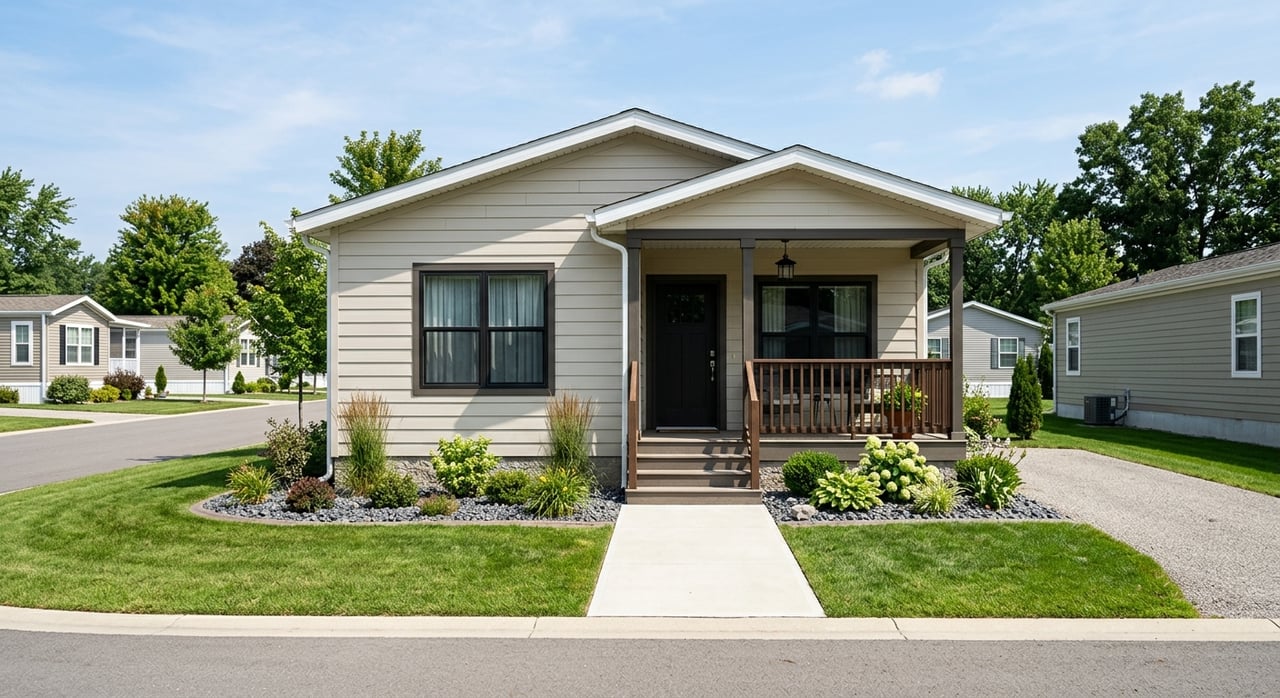
Buying a manufactured home in Reno can be a smart path to homeownership, but it comes with a few steps that look different from a typical site-built purchase. You may be comparing homes in a land-lease park, looking at private land, or trying to make sense of titles, taxes, and financing options. The good news is that once you understand the process, you can make more confident decisions and avoid common surprises. Let’s dive in.
How manufactured homes work in Reno
A manufactured home is built in a factory on a permanent chassis, and the buying process depends a lot on whether you own the land or lease the lot. According to Fannie Mae’s manufactured housing overview, that legal setup affects how the home is titled and financed.
In Reno, that means your purchase may involve more than just the home itself. If the home sits in a park on a leased lot, you will usually have two separate monthly housing costs: your home payment and the lot rent. The Nevada Housing Division also notes that title transfer and ownership records for manufactured homes follow a different path than many site-built homes.
Another key detail is the home’s build date. Homes built after June 15, 1976, must be HUD-certified, so if you are buying an older resale home, it is important to confirm the HUD label or tag and review the title history through HUD’s manufactured home resources.
Understand title and ownership first
Before you fall in love with a home, make sure you know how it is legally classified. A manufactured home can be titled as personal property or converted to real property, and that difference can affect financing, taxes, and resale.
The Nevada Housing Division handles certificates of ownership, title transfers, liens, and ownership records. The agency says title transfers or updates can take up to 45 days, so timing matters if you are trying to close on a tight schedule.
If the home is being converted from personal property to real property, that process requires county recording. The Division explains in its conversion FAQ that the conversion is not valid until a Real Property Notice is issued to the assessor, and the process usually takes 4 to 6 weeks.
That is why buyers should verify that all title paperwork, lien releases, and conversion documents have cleared before closing. Skipping that step can create delays and financing issues later.
Know how taxes work in Washoe County
Taxes on manufactured homes in Washoe County have their own rules, and buyers often assume conversion to real property is the only thing that matters. In reality, there is a little more nuance.
According to the Washoe County Assessor, mobile and manufactured homes are billed once a year using the same due dates as real property taxes. If the total bill is under $100, the full amount is due in the first installment.
Washoe County also says in its property tax FAQ that an owner-occupied manufactured home may qualify for the 3% tax cap even if it has not been converted to real property. That means you should not assume conversion is the only path to a lower cap rate.
Before you buy, confirm that the current taxes are paid and that there are no unresolved ownership or lien issues attached to the home. This is one of the simplest ways to avoid last-minute closing problems.
Compare land-owned and leased-lot purchases
One of the biggest decisions you will make is whether to buy a manufactured home on land you own or in a park where you lease the lot. Each option can work well, but the costs and rules are different.
Buying on land you own
If you own the land, the home may have a better chance of qualifying for financing that looks more like a traditional mortgage. Fannie Mae says its standard manufactured-home loans require the home to be secured by real property, attached to a permanent foundation, and located on land the owner owns.
Fannie Mae also notes that MH Advantage offers 30-year fixed financing with down payments as low as 3% for eligible borrowers when the home is on owned land and used as a principal residence or second home. For some buyers, that can improve affordability compared with other manufactured-home loan types.
Buying in a leased-lot park
If the home is in a park, your budget needs to include both your loan payment and the monthly lot rent. This setup can still be a great fit, but you need to review the lease terms, park rules, and approval requirements carefully.
HUD says its Title I program can finance the home, the lot, or both. For leased lots, HUD requires an initial lease term of 3 years and at least 180 days’ advance written notice if the lease is terminated.
Explore financing options carefully
Manufactured-home financing is not one-size-fits-all. Your best option depends on the home, the land, your eligibility, and whether the home is titled as personal or real property.
Here are some of the financing paths supported in the research:
- Fannie Mae conventional financing for eligible homes on owned land and permanent foundations
- HUD Title I financing for the home, the lot, or both, including some leased-lot scenarios
- VA loans for eligible borrowers buying a manufactured home or lot
- USDA Guaranteed Loans for eligible homes in qualifying rural areas
The U.S. Department of Veterans Affairs says VA home loans can be used to buy a manufactured home or lot, and nearly 90% of VA-backed purchase loans require no down payment, subject to eligibility and lender underwriting.
The USDA Guaranteed Loan program can also include manufactured homes in eligible rural areas and offers 100% financing for qualifying borrowers, though you still need to check address-level eligibility.
It is also important to understand chattel financing. The Consumer Financial Protection Bureau reports that chattel loans, which are secured only by the home, are generally costlier and offer fewer consumer protections than mortgages.
Budget beyond the purchase price
The sticker price is only part of the story. To build a realistic budget, you will want to look at the full monthly and upfront costs tied to the home.
Your total cost may include:
- Down payment and closing costs
- Monthly loan payment
- Monthly lot rent, if applicable
- Utilities and utility hookup charges
- Property taxes
- Insurance
- Inspection costs
- Site prep, foundation, or installation costs
- Permit fees for placement or replacement on private land
This is where local guidance can make a big difference. A lower home price does not always mean a lower overall cost if the lot rent, financing terms, or repair needs are higher than expected.
Inspect the home and installation
A manufactured home purchase should always include due diligence on both the structure and the setup. That is especially true in resale transactions, where the home’s age, installation quality, and maintenance history can vary.
The research recommends ordering an independent inspection before closing. The inspection should look at the foundation, anchoring, site prep, utilities, roof, plumbing, electrical systems, and drainage.
The Nevada Housing Division’s installation guidance says installation planning should include zoning, septic and electrical permits, stable soil, a proper foundation, and utility hookups. The same source supports reviewing these issues early, not after you are under pressure to close.
If the home will be placed on private land in Washoe County, permits may be required when replacing an existing home or placing a new one on a vacant lot. The county’s mobile home handout says foundation and site details are needed at submittal.
Review park rules before you commit
If you are buying in a manufactured-home park, the community rules matter almost as much as the home itself. Nevada law gives park landlords authority to set rules, but those rules must be adopted in good faith, enforced uniformly, and not used to sidestep legal obligations.
Under Nevada law governing manufactured home parks, prospective lot tenants must receive key documents before an application fee is collected. That includes the lease, park rules, acceptance criteria, maintenance responsibilities, sale or closure notices, and a 5-year rent-increase history for the lot.
That disclosure is valuable because it helps you understand not just today’s space rent, but how it has changed over time. It also gives you a better sense of your likely monthly cost after you move in.
Questions to ask a Reno-area park
Before you commit to a home in a park, ask for clear answers to these questions:
- What is the current lot rent?
- Which utilities are included, if any?
- Are there pet restrictions?
- Is the community age-restricted or open to all ages?
- What are the buyer approval criteria?
- What does the 5-year rent history show?
- What are the resident maintenance responsibilities?
- What happens if the park is sold, closed, or converted?
Nevada law also says rent and additional charges must be applied consistently to comparable lots, and any increase generally requires 90 days’ notice. Those details can help you compare communities more accurately.
Plan for park approval timelines
In many Reno-area park transactions, the sale is not truly final until the buyer is approved by the park as a new tenant. This is one of the most common manufactured-home purchase steps that catches buyers off guard.
The Nevada Housing Division compliance guidance says most communities require approval before the sale is completed. If approval is required, the landlord must not unreasonably withhold consent and must approve or deny a completed application within 10 business days.
Nevada also bars certain practices that buyers and sellers may worry about. For example, the law forbids entrance or exit fees and does not allow transfer or selling commissions as a condition of letting a home stay in the park.
Avoid common buying mistakes
Manufactured homes can be a great option in Reno, but the process rewards buyers who stay organized. A few careful checks upfront can save you time, money, and stress.
Here are some of the most common mistakes to avoid:
- Not confirming whether the home is personal or real property
- Skipping the title and lien review
- Forgetting to budget for lot rent on leased land
- Applying for financing before understanding the property setup
- Failing to review park rules and lease terms
- Overlooking permit or installation requirements on private land
- Waiving an independent inspection
- Assuming tax treatment is the same as a site-built home
Why local guidance matters
Buying a manufactured home in Reno is both a real estate transaction and a paperwork transaction. You are not just evaluating price and condition. You are also looking at title records, park requirements, financing fit, tax treatment, and possibly installation or conversion steps.
That is why working with a team that understands manufactured-home transactions can make the process smoother. Reno/Tahoe Realty Group’s dedicated manufactured-homes focus is designed to help buyers navigate these details with clear, local guidance.
If you are exploring manufactured homes in Reno, Sparks, or the surrounding Washoe County area, Tristan Lipschutz can help you compare options, understand the process, and move forward with confidence.
FAQs
What makes buying a manufactured home in Reno different from buying a site-built home?
- The process may involve different title rules, financing options, park approval, lot rent, and possible real-property conversion depending on whether the home is on owned land or a leased lot.
How long does a manufactured-home title transfer take in Nevada?
- The Nevada Housing Division says title transfers or updates can take up to 45 days.
Can a manufactured home in Washoe County qualify for the 3% tax cap?
- Yes. Washoe County says an owner-occupied manufactured home may qualify for the 3% tax cap even if it has not been converted to real property.
What should buyers ask before purchasing a manufactured home in a Reno park?
- Ask about current lot rent, utilities, approval criteria, pet or age restrictions, maintenance responsibilities, the 5-year rent history, and what happens if the park is sold or converted.
Are manufactured homes in Reno eligible for traditional mortgage financing?
- Some are. Fannie Mae says standard manufactured-home financing generally requires the home to be secured by real property, attached to a permanent foundation, and located on land the borrower owns.
Should you get an inspection when buying a manufactured home in Washoe County?
- Yes. Buyers should order an independent inspection and review the foundation, anchoring, roof, plumbing, electrical systems, utilities, and drainage before closing.