Are you picturing a home where coffee shops, river paths, art, and nightlife are all part of your everyday routine? If you are thinking about buying in Downtown Reno or near the Riverwalk, you are likely looking for more than square footage alone. You want a lifestyle that feels connected, convenient, and distinctly Reno. This guide will help you understand what living here actually looks like, what kinds of homes you are most likely to find, and what tradeoffs to weigh before you buy. Let’s dive in.
What Downtown Reno and Riverwalk Mean
Downtown Reno is more than a business and entertainment hub. The city frames it as both a center for tourism, entertainment, and leisure and a residential neighborhood where people live every day. That matters if you are trying to decide whether this area fits your long-term lifestyle and not just your weekend plans.
The Riverwalk is generally the riverfront stretch between Arlington Avenue and Lake Street. The Downtown Reno Partnership says its broader downtown district covers 110 city blocks, which helps explain why buyers often talk about Downtown Reno and the Riverwalk together. In practice, you are looking at a true urban core with a mix of housing, dining, shopping, entertainment, and outdoor access.
One detail many buyers overlook is upkeep. Downtown property maintenance standards are stricter than typical neighborhood code, with requirements tied to cleanliness, lighting, and overall maintenance. If you value a well-managed urban environment, that is an important part of the Downtown Reno story.
Why Buyers Are Drawn Here
The Riverwalk area is built around convenience and activity. It is marketed as an urban district with more than 45 options in urban living, dining, boutique shopping, entertainment, and access to a whitewater park. If you want to step outside and have things to do without a long drive, that is a strong draw.
This part of Reno also offers more than a typical entertainment district. The area celebrates arts, culture, and history year-round, which gives it a broader appeal for buyers who want a home near museums, galleries, events, and riverfront public spaces. For many people, that creates a more rounded urban lifestyle.
Downtown can also work well for buyers who prefer lower-maintenance living. If you would rather spend your time enjoying the river, local restaurants, and downtown events than managing a large yard, this location often fits that goal.
What Types of Homes You’ll Find
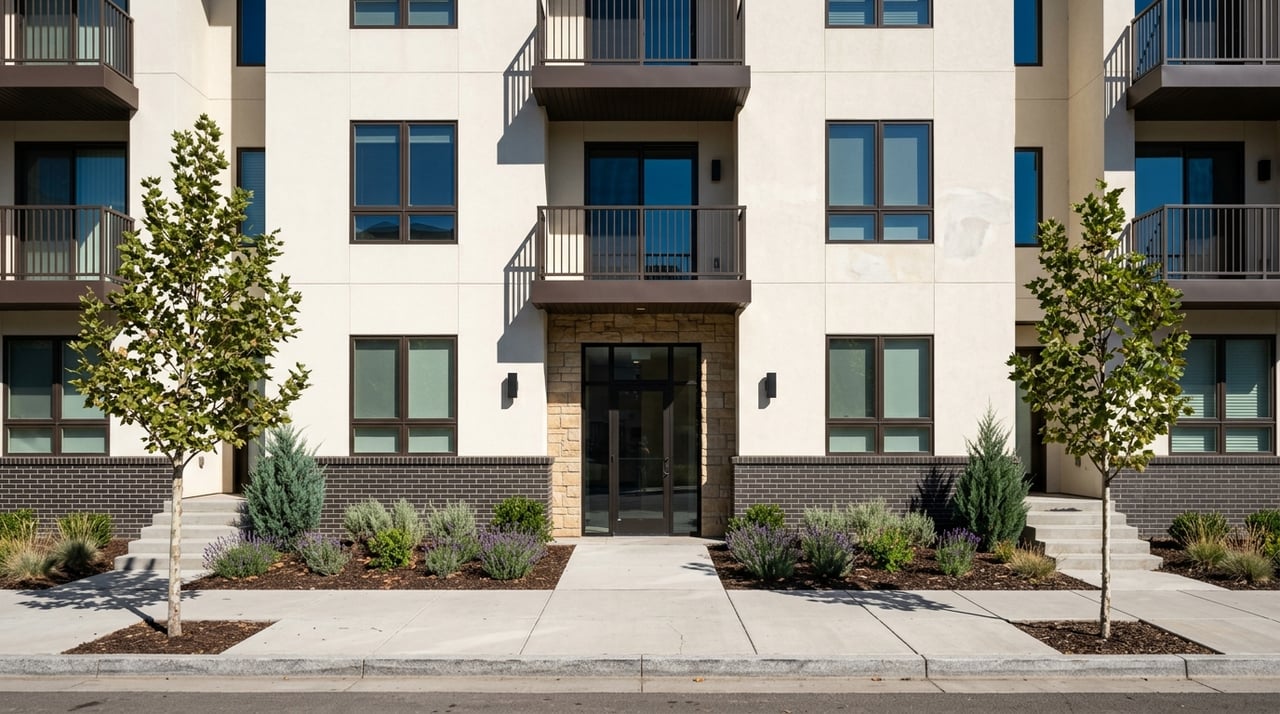
If you are hoping for a detached house right along the Riverwalk, it helps to set expectations early. The immediate downtown and riverfront area is shaped by a mixed-use land plan, and recent development has leaned heavily toward vertical residential projects. That means condos, apartments, and loft-style options are more common than traditional single-family homes.
City redevelopment data shows downtown land use is 23.2% residential and 57.0% commercial. Within that land-use profile, single-family accounts for 14.7% and multi-family 8.7%, while the broader district is planned for mixed-use downtown purposes and parks. In simple terms, the area is designed for urban living, not large-lot neighborhood housing.
Recent project examples reinforce that pattern. One major mixed-use downtown project includes two residential towers with 529 residential units, while another riverfront apartment project added 69 studio and one-bedroom units. For buyers, that means your search will likely center on condos and similar low-maintenance properties in the core.
Where to Look if You Want a House
If you want a yard, more separation from activity, or a more conventional single-family feel, you may need to search just outside the immediate Riverwalk core. Nearby areas can offer a different housing mix while still keeping you close to downtown amenities.
The city’s Lake District profile notes that, outside primarily commercial corridors, the area includes a mix of single-family and multi-family residential properties. That can make nearby districts worth a look if you like the downtown lifestyle but want more housing variety.
Daily Life: Walking, Transit, and Parking
One of the biggest advantages of living in Downtown Reno or near the Riverwalk is day-to-day mobility. The area is explicitly promoted as an urban district, and the city’s downtown action plan emphasizes pedestrian and bicycle connections to the Truckee River greenway and the University area. If you want to walk to dinner, stroll the river, or bike to nearby destinations, that is a real lifestyle benefit.
Public transit is also part of the picture. RTC RIDE serves Reno and Sparks with 70 buses on 26 routes, and the RTC 4th Street Station acts as the main downtown transit center. The Lincoln Line also helps connect downtown through the 4th Street and Prater corridor.
That said, parking is one of the clearest tradeoffs in this location. Some downtown towers are ineligible for resident parking permits, and metered parking in the Riverwalk district is enforced Monday through Saturday from 9 a.m. to 6 p.m., excluding holidays. City Hall garage parking is currently listed at $2 per hour with a $24 daily maximum, so it is smart to ask detailed parking questions before you commit to a property.
What to Ask About Parking Before You Buy
Before you buy a downtown condo or similar property, make sure you understand the building’s actual parking setup. Small details can make a big difference in how convenient the home feels once you move in.
Ask about:
- Assigned parking spaces
- Guest parking availability
- Resident permit eligibility
- Nearby garage access
- Metered parking patterns around the building
- How parking works during events or busy weekends
River Access and Outdoor Appeal
The Truckee River is one of the strongest lifestyle features in this part of Reno. Living near the Riverwalk means you are close to a corridor that supports walking, recreation, and community events in a way that feels central to daily life, not just occasional leisure.
The Truckee River Whitewater Park at Wingfield is a 2,600-foot Class 2 to 3 course with easy access from all directions. It also sits within a grassy park used for concerts, festivals, picnics, and recreation. That combination of active use and open space gives the area a more balanced feel than many urban districts.
The river corridor is also being actively improved. In June 2026, the city announced completion of phase one of the Riverside Drive Berm Project, which raised and stabilized the berm and widened the sidewalk to improve accessibility and help meet flood-capacity standards along the Truckee River. For buyers, that signals continued public investment in the corridor.
Arts, Culture, and Entertainment Nearby
If you want urban living with more than restaurants and casinos, downtown Reno offers a deeper amenity base than many buyers expect. The Riverwalk district includes more than three dozen restaurants, pubs, museums, galleries, retail shops, boutiques, salons, and lounges. That variety supports a lifestyle where errands, outings, and entertainment can all happen close to home.
The city also has a strong public arts presence. Reno says it has more than 300 public artworks, along with arts programming that includes the Metro Gallery at City Hall, the McKinley Galleries East and West, the Canyon Flats Video Wall, the Window Galleries, and the citywide Aerial Gallery. If public art and creative energy matter to you, that is part of the neighborhood experience.
Two major cultural anchors are also located downtown. The Nevada Museum of Art sits at 160 West Liberty Street, and the National Automobile Museum is at Lake and Mill streets. These destinations help explain why downtown appeals to buyers who want access to established cultural institutions as part of everyday life.
How Close You Are to Regional Recreation
Buying near Downtown Reno and the Riverwalk is not just about staying in the city core. It is also about having a practical base for wider Northern Nevada recreation. The City of Reno offers 87 park facilities and an interactive trails map, and the paved section of the Tahoe-Pyramid Trail between Mayberry Park and downtown Reno has several access points.
For many buyers, Lake Tahoe access strengthens the appeal. Visit Reno Tahoe describes Lake Tahoe as about a 40-minute drive from downtown Reno. That means you can enjoy an urban home base while keeping day trips to the lake well within reach.
Who This Lifestyle Fits Best
Downtown Reno and Riverwalk living tend to make the most sense for buyers who value access and convenience over lot size. Based on the area’s housing mix, amenities, transit options, and parking setup, this location is often a strong fit for urban professionals, downsizers, and lifestyle-focused buyers who want low-maintenance living near restaurants, culture, and the river.
It may be less ideal if your top priorities are a detached yard, a quieter block, or a more traditional single-family setting in the immediate core. Those options are less common right along the Riverwalk and more likely to be found in nearby districts.
Smart Buying Tips for Downtown Reno
As you compare properties, focus on how the home supports your real daily routine and not just how it looks during a showing. Downtown living can be a great match, but the right fit depends on your habits and expectations.
Keep these questions in mind:
- Do you want to walk to dining, arts, and events regularly?
- Are you comfortable with condo or loft-style living?
- How important is private parking?
- Would you prefer a car-light lifestyle with transit access?
- Do you want to be near the river and public spaces?
- Would a nearby district suit you better if you want a house?
A local, property-by-property approach matters here. Two homes that are both labeled downtown can offer very different experiences depending on building type, parking access, noise exposure, and how close they are to the most active parts of the district.
If you are thinking about buying in Downtown Reno or near the Riverwalk, working with a locally rooted advisor can help you narrow the search based on how you actually want to live. For personalized guidance on condos, townhomes, single-family options near downtown, and other Reno-area opportunities, talk to Tristan Lipschutz.
FAQs
What kind of homes are most common in Downtown Reno and the Riverwalk?
- In the immediate downtown and Riverwalk core, buyers are more likely to find condos, apartments, and loft-style homes than detached single-family houses.
Is Downtown Reno good for a walkable lifestyle?
- Yes. Downtown and the Riverwalk are promoted as an urban district with pedestrian and bicycle connections to the Truckee River greenway and nearby areas, making walking and biking realistic for many daily activities.
How does parking work near the Reno Riverwalk?
- Parking varies by property, and some downtown towers are not eligible for resident permits. Metered parking in the Riverwalk district is enforced Monday through Saturday from 9 a.m. to 6 p.m., excluding holidays.
Are there outdoor activities near Downtown Reno homes?
- Yes. Buyers near the Riverwalk have access to the Truckee River Whitewater Park, river paths, downtown park spaces, and trail connections that support walking, recreation, and events.
Should I look outside the Riverwalk if I want a house in Reno?
- Yes. If you want a detached home or a more conventional single-family setting, nearby districts may offer a better fit than the immediate Riverwalk core.